West African cotton stakeholders meet in Lomé to address climate-driven productivity gaps
 Wednesday, 15 April 2026 11:22
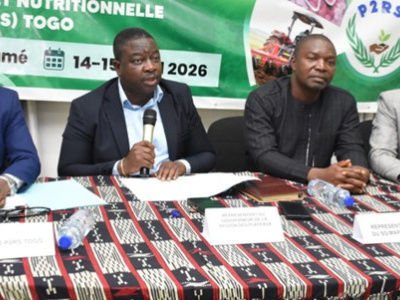
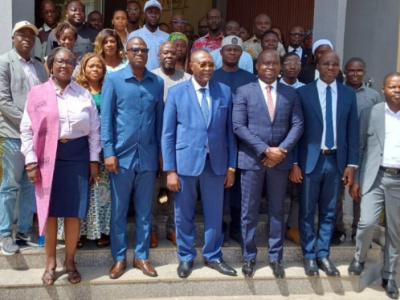
(Togo First) - Lomé is hosting the 18th annual review meeting of the Regional Program for Integrated Cotton Production in Africa (PR-PICA), running until April 17 and organized by Nouvelle Société Cotonnière du Togo (NSCT).
The meeting has brought together nearly 250 stakeholders from eight West and Central African countries to assess the 2025–2026 season, share research advances and identify practical ways to improve yields and farmer incomes.
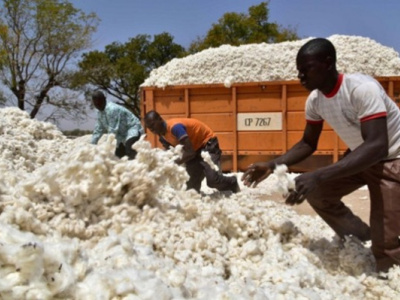
Cotton production in Togo has faced pressure in recent years from climate change, pests and soil degradation. Yields have nonetheless improved, rising from around 800 kilograms to nearly one metric ton per hectare, according to authorities.
That progress reflects better access to inputs and improved soil mapping, helping farmers adapt cultivation techniques. However, those gains need to be sustained, as the sector continues to face significant challenges. Measures to support producers — including stabilizing the purchase price of seed cotton and fertilizers — have also helped revive farmer engagement.
Research and regional cooperation
PR-PICA serves as a coordination platform linking researchers, producers and industry stakeholders. The program aims to accelerate the rollout of innovations and harmonize responses to shared challenges across the subregion.
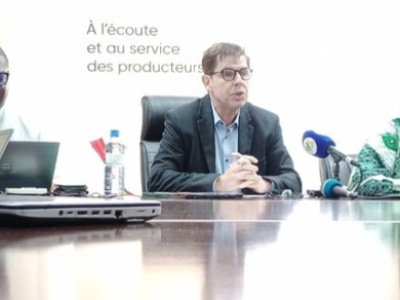
“These annual meetings help improve efficiency in cotton farming,” said Martin Drevon, director general of the NSCT. “The goal remains to achieve higher yields and boost producer incomes.”
Pest control remains a key concern. Since 2022, infestations of whiteflies and leafhoppers have caused losses of up to 50% in some countries.
The response includes introducing new pesticides and updating phytosanitary strategies. Producers have stressed the need to continuously adapt inputs. “We are waiting for more effective products to better control pests,” said Koussouwè Kouroufei, head of the National Federation of Cotton Producer Groups (FNGPC).
Upgrading production
Beyond crop protection, discussions have focused on improving seed varieties, soil fertility and climate adaptation. Researchers are working on seeds that are more resistant to drought and pests.
For stakeholders, the objective is not only to increase output but also to maintain the competitiveness of African cotton in a volatile global market while protecting rural incomes.
As the Lomé meeting draws to a close, participants are seeking practical recommendations that can be implemented as early as the next season. The conclusions are expected to be submitted to authorities and incorporated into national agricultural policies.
Ayi Renaud Dossavi